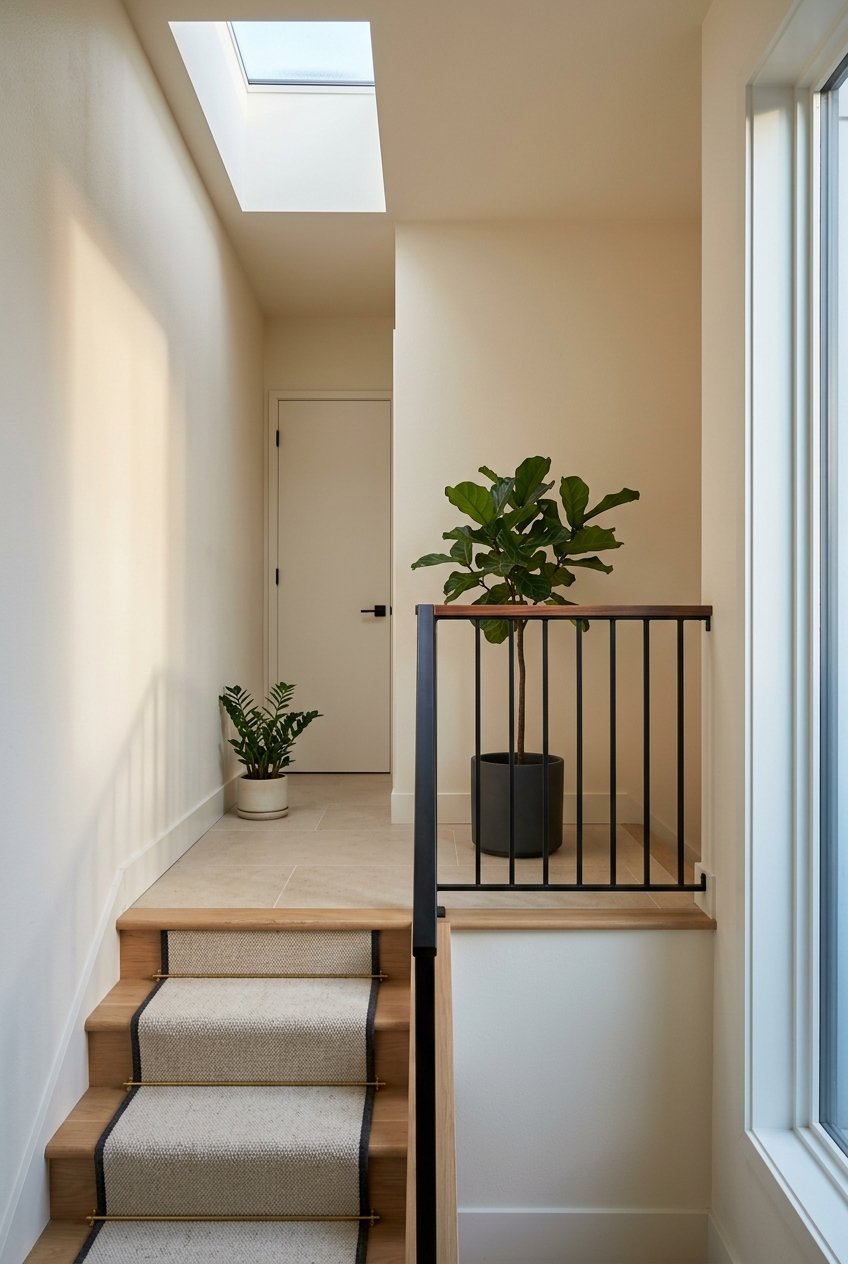
Buying a condo or townhome in Hawthorne can be a smart way to get into the South Bay without paying some of the much higher prices you see in nearby coastal cities. If you want location, easier maintenance than many detached homes, and access to key commuter routes, Hawthorne deserves a close look. The catch is that condo and townhome purchases come with extra layers, especially HOA rules, monthly dues, and project financing. This guide will help you understand what to watch, what to ask, and how to move forward with more confidence. Let’s dive in.
Why Hawthorne Stands Out
Hawthorne offers a practical blend of access and relative value in Los Angeles County. According to the City of Hawthorne, the city is near LAX, linked by rail to the Port of Los Angeles and downtown Los Angeles, and surrounded by the 405, 110, and 105 freeways. For many buyers, that location supports commuting flexibility across the South Bay and the broader Los Angeles basin.
Price is another reason buyers keep Hawthorne on their radar. Redfin’s Hawthorne city guide reports a median sale price of $582,500 for condos and $850,000 for townhomes, compared with a much higher median sale price in nearby El Segundo. If you want South Bay access without coastal-city pricing, Hawthorne may offer a more attainable path.
Hawthorne Condo Market Snapshot
Inventory is limited, which can shape both your search and your offer strategy. Redfin shows 9 condos for sale at a median listing price of $722,000 and 6 townhouses for sale at a median listing price of $987,000. In a market with this little supply, preparation matters.
Segment-level data also suggests you may need to act decisively once you find the right fit. On Redfin’s Hawthorne condo page, condos are averaging about 42 days on market with around 3 offers on average, while townhomes average about 41 days with about 1 offer on average. That does not mean you should rush, but it does mean you should be ready.
Condo vs. Townhome Basics
In everyday conversation, buyers often group condos and townhomes together, but ownership details can differ from one community to another. What matters most is how the property is structured, what the HOA maintains, and what you are personally responsible for. That is why the documents matter as much as the floor plan.
In California, when you buy into a common interest development, you automatically become a member of the homeowners association. The California Department of Real Estate explains that these communities are governed by documents such as CC&Rs and bylaws, and the board runs the association. Before you buy, you want a clear picture of the rules, costs, and maintenance structure.
Budget Beyond the Mortgage
A lot of buyers focus on price, rate, and down payment first. Those are important, but they are not the full monthly cost of owning a condo or townhome. The Consumer Financial Protection Bureau notes that ongoing costs can include HOA fees, insurance, maintenance, and utilities.
You should also plan for your upfront cash needs carefully. The California DRE says buyers should generally expect 5% to 20% down plus closing costs, and the CFPB says closing costs often run 2% to 5%, excluding the down payment. Even when ranges vary, the big takeaway is simple: condo and townhome purchases often require more cash than buyers expect.
Common Costs to Plan For
- Down payment
- Closing costs
- HOA dues
- Homeowners insurance, if applicable
- Utilities not covered by the HOA
- Maintenance and repair expenses
- Potential special assessments
Look Closely at HOA Dues
Low dues are not always a bargain, and higher dues are not always a red flag. The better question is what the HOA fee actually covers. Current Hawthorne listings on Redfin’s condo page show a wide range of dues, including $275, $400, $538, and $769 per month.
A newer property can still have meaningful monthly dues. One current Hawthorne condo listing at 12720 Azure Way #28, built in 2026, carries a $275 monthly HOA. Instead of judging the number alone, ask whether dues cover exterior maintenance, insurance, amenities, water, trash, or reserve contributions.
Why HOA Reserves Matter
One of the biggest risks in condo and townhome ownership is an underfunded HOA. The California DRE warns that weak reserves can lead to deferred maintenance and special assessments, including large costs related to roofs, exterior paint, roads, and pools. In some cases, those assessments can reach tens of thousands of dollars.
That is why reserve planning matters so much. A healthy association budget should cover day-to-day expenses and help prepare for future repairs and replacements. If reserves look thin and major work is coming, your monthly cost of ownership could change quickly after closing.
Review the Right Documents
California gives buyers of HOA properties access to more resale disclosures than you usually see with a detached home. Under California Civil Code Section 4525, the seller must provide governing documents, the latest annual budget and reserve disclosures, current assessments and unpaid charges, unresolved violation notices, and any rental restrictions. If requested, buyers can also receive the last 12 months of board minutes and the most recent exterior elevated elements inspection report.
Those records can tell you a lot about the health of the community. Board minutes may reveal recurring maintenance concerns, insurance issues, or discussion of future expenses. Rental limits can also affect your plans if flexibility matters to you later.
Key HOA Documents to Request
- CC&Rs and bylaws
- Annual budget report
- Reserve disclosures or reserve summary
- Current assessment information
- Unpaid HOA charges, if any
- Violation notices
- Rental restriction details
- Board minutes from the last 12 months
- Exterior elevated elements inspection report, if available
Compare Newer and Older Communities Carefully
Newer and older communities each come with tradeoffs. A newer project may offer updated systems and less immediate wear, but that does not automatically mean lower monthly costs or easier financing. An older project may offer more space or a stronger location value, but you need to understand what repairs or replacements may be approaching.
For older communities, some of the most useful records are the reserve summary, reserve study, and inspection history. California law requires annual budget reports with reserve disclosures, reserve-study visual inspections at least every three years, and exterior elevated elements inspections for condo projects at least once every nine years. Those documents help you assess whether balconies, decks, roofs, plumbing, or elevators may need major work soon.
Questions to Ask in Any Community
- What do the HOA dues cover?
- Are any special assessments planned?
- Do reserves appear adequate?
- Are there rental caps or lease restrictions?
- Are major components nearing replacement?
- What recent inspections have been completed?
Understand Financing Early
Financing a condo or townhome is often more project-sensitive than financing a detached home. Fannie Mae notes that condo projects may be ineligible for certain financing if they have critical repairs, inadequate insurance, pending significant litigation, or hotel-style or short-term-rental use. HUD also requires condo project approval or qualifying single-unit approval before FHA mortgage insurance can move forward.
That is why it helps to ask your lender early whether a specific Hawthorne project is eligible for conventional, FHA, or other financing options. If there is a project issue, you want to know before you invest too much time or remove contingencies. Early clarity can save you stress and protect your timeline.
Use Inspections and Contingencies Wisely
Even in a competitive market, you should not skip your due diligence. The California DRE homebuyer guidance recommends using loan, repair, pest or home inspection, and home warranty contingencies when needed, and reviewing the contract carefully before signing. The right contingencies can give you time to evaluate both the unit and the broader HOA risk.
For condo and townhome buyers, due diligence goes beyond the interior. You also want to review the HOA budget, reserve disclosures, insurance information, and relevant inspection records before removing contingencies. If the project finances or condition raise concerns, it is better to uncover that before you are locked in.
Build a Smart Offer Strategy
In Hawthorne, low inventory means you need to be both prepared and disciplined. That starts with getting clear on your budget, talking with your lender early about project eligibility, and understanding the true monthly cost of ownership. A strong offer is not just about price. It is also about terms, timing, and knowing which risks you can reasonably evaluate before moving forward.
When you are buying a condo or townhome, the best strategy is usually a balanced one. Move quickly when the right property appears, but stay focused on the documents, financing path, and HOA health. That approach helps you compete without losing sight of the bigger financial picture.
Final Thoughts for Hawthorne Buyers
A condo or townhome in Hawthorne can be a practical option if you want South Bay access, commuter convenience, and a chance to buy below some nearby coastal price points. The key is understanding that the property itself is only part of the purchase. The HOA, the documents, the reserves, and the financing rules all matter.
If you want help comparing communities, reviewing the numbers, and building an offer strategy that fits your goals, connect with Luis Gonzalez. You will get clear guidance, strong negotiation support, and a consultative approach designed to help you buy with confidence.
FAQs
What should you budget for when buying a condo or townhome in Hawthorne?
- You should budget for the down payment, closing costs, HOA dues, insurance, utilities not covered by the HOA, maintenance, and possible special assessments.
What HOA documents should you review before buying a Hawthorne condo or townhome?
- You should review the CC&Rs, bylaws, annual budget, reserve disclosures, assessment information, rental restrictions, violation notices, recent board minutes, and any relevant inspection reports.
Why do HOA reserves matter when buying a condo or townhome in Hawthorne?
- HOA reserves matter because underfunded reserves can lead to deferred maintenance and large special assessments for major repairs.
How is condo financing different from detached-home financing in Hawthorne?
- Condo financing can depend on the entire project, including insurance, financial condition, litigation, repair issues, and lender eligibility standards.
Is Hawthorne a good place to consider a condo or townhome purchase?
- Hawthorne can be a strong option if you want South Bay access, proximity to major freeways and LAX, and pricing that may be lower than some nearby coastal markets.