If you market a Rolling Hills estate like a typical luxury listing, you can miss the buyers who matter most. This is a highly private, low-volume community with strict access rules, architectural standards, and a real equestrian identity. If you are preparing to sell a gated or horse property here, the right strategy can help you protect privacy, present the estate accurately, and reach qualified buyers with confidence. Let’s dive in.
Why Rolling Hills Requires a Different Strategy
Rolling Hills is not a standard suburban market. According to the Rolling Hills Community Association, the community includes 690 homes, all single-family residences on minimum one-acre lots, with 26 miles of bridle trails, two riding rings, and three gates staffed 24/7.
That setting shapes how listings should be positioned. The City of Rolling Hills housing element notes a very small population, which supports a more relationship-driven market where privacy, fit, and presentation often matter as much as broad exposure.
There is also an important governance layer to understand. The RHCA and the City of Rolling Hills have different roles, with RHCA overseeing areas like architectural review, gates, trails, roads, and easements, while the city handles planning, zoning, public safety, and permits.
Market the Property to the Community
A strong Rolling Hills campaign should reflect how the property actually functions within the community. That means the listing should highlight privacy, acreage, access, and equestrian utility without overstating features or leaning on generic luxury language.
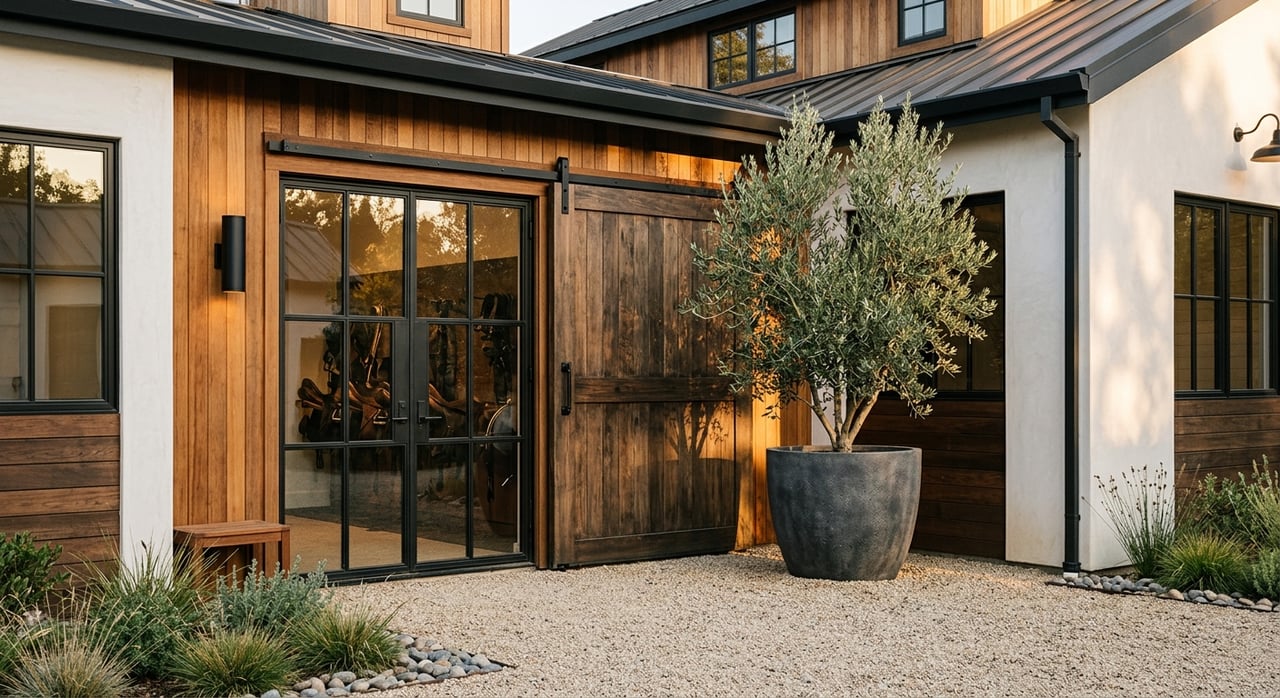
This is especially important because local rules shape what buyers will look for. RHCA building regulations are designed to preserve a rural character, favoring low-profile, generally one-story homes, white exteriors, earth-tone trim, and traditional or California ranch-style design.
For sellers, that means presentation should feel polished and restrained. In Rolling Hills, the strongest visual story is often understated luxury rather than a flashy reinvention.
Lead With Privacy and Access
Privacy is not just a preference in Rolling Hills. It is built into the sales process. The RHCA buying and selling rules state that public open houses are prohibited, advertisements cannot include the street address, signs are not allowed, and clients must ride in the Realtor’s vehicle.
Showing access is tightly controlled as well. Under RHCA visiting hours and gate procedures, visitors must have the resident’s name and address, show government ID, and Realtors may show property only between 7 a.m. and 6 p.m.
That is why the most effective campaigns here are appointment-only and pre-registered. Instead of trying to generate foot traffic, your marketing should focus on attracting qualified interest and managing each showing with care.
Show the Equestrian Utility Clearly
If the estate includes horse facilities, buyers will likely care about function just as much as finish. In Rolling Hills, equestrian value is not a decorative extra. It is part of how many properties are used and evaluated.
The RHCA building regulations specify standards for stables, corrals, fencing, and even driveway conditions where horses cross easements. Stables are expected to look and operate like real stables, and a contiguous corral of at least 550 square feet is required.
The RHCA trail rules also show how horse use is managed in the community. Trails are for daylight use only, bicycles and motor vehicles are prohibited, and non-resident riders need trail badges.
For marketing purposes, this means your estate should be presented as both a refined home and a practical horse property. Clean tack areas, orderly barns, usable turnout space, and easy-to-understand access routes can help buyers quickly see the property’s everyday value.
Stage the Spaces That Shape First Impressions
Even in a niche luxury market, staging still matters. The National Association of Realtors 2025 staging snapshot found that 83% of buyers’ agents said staging made it easier for buyers to visualize a property as a future home.
The same report notes that the most commonly staged rooms are the living room, primary bedroom, and dining room. For a Rolling Hills estate, those spaces should be paired with careful outdoor presentation, especially if the property includes acreage, view corridors, patios, or equestrian improvements.
Rolling Hills also has local presentation concerns beyond ordinary staging. The RHCA buying and selling guidance notes that easements must remain unobstructed and that view preservation is part of the local framework, so landscaping and outdoor staging should support open sightlines rather than create visual clutter.
Use a Visual-First Marketing Package
Luxury buyers often engage with a property online before they ever request a tour. That is why visuals carry so much weight, especially in a market where public access is limited.
The NAR 2023 staging report found that buyers’ agents viewed photos, videos, and virtual tours as highly important, with videos rated at 74% and virtual tours at 42%.
In Rolling Hills, a strong visual package should do more than show attractive interiors. It should also communicate the estate’s layout, land, privacy, and any horse-related features in a way that feels accurate and intentional.
That approach fits Luis Gonzalez’s marketing-first style. High-quality video, polished photography, and tailored digital presentation can help your property stand out while still respecting the community’s rules and the seller’s need for discretion.
Follow Filming and Drone Rules Carefully
Real estate media in Rolling Hills requires planning. According to the Rolling Hills filming rules, the community is private and gated, exterior signage is prohibited, parking for production must stay on the property, and filming cannot show adjacent properties or common areas such as roads, gatehouses, and bridle trails.
That means any photo or video shoot should be tightly controlled and focused on the subject property. Clean framing, careful editing, and advance coordination are essential.
If drone footage is used, compliance matters there too. The FAA commercial drone guidance states that a remote pilot certificate is required under Part 107, drones generally must stay at or below 400 feet above ground level, and registered drones must meet Remote ID requirements.
Expand Reach Without Sacrificing Control
A Rolling Hills estate may need broad exposure, but not broad access. That is a key difference. The goal is not to invite the general public through the gates. It is to place the listing in front of the right audience while protecting the seller’s privacy.
International reach can still be relevant in the luxury space. The National Association of Realtors reported that foreign buyers purchased $56 billion of U.S. existing homes from April 2024 through March 2025, and 47% paid cash.
For sellers who want controlled distribution, brand network matters. Sotheby’s International Realty says its network spans 77 countries and more than 25,000 sales associates, which can support wider luxury exposure without turning the campaign into a public free-for-all.
What Sellers Should Prioritize First
If you are preparing to sell a gated or equestrian estate in Rolling Hills, focus on the items that match how buyers shop in this market. The right plan usually starts with the property itself, then builds toward controlled exposure.
Here are the priorities that matter most:
- Present the home as a private estate, not a standard suburban listing
- Make horse facilities look functional, clean, and easy to use
- Stage key interior rooms and maintain uncluttered outdoor areas
- Build a visual package with strong photography, video, and virtual presentation
- Plan all access around gate rules and appointment-only showings
- Use broad but controlled distribution to reach qualified local and global buyers
In a market like Rolling Hills, details carry weight. The more your marketing reflects the community’s rules, architecture, and lifestyle realities, the easier it is for the right buyer to understand the value of the property.
Why Local Execution Matters
Rolling Hills rewards precision. Between RHCA rules, city oversight, gate procedures, equestrian standards, and privacy concerns, a successful sale depends on more than posting a listing and waiting for interest.
You need a strategy that respects the property, the community, and the buyer profile. That is where experienced local guidance can make a real difference, especially when paired with strong visuals, careful positioning, and measured distribution.
If you are considering selling a gated or equestrian estate in Rolling Hills, Luis Gonzalez can help you build a private, high-impact marketing plan tailored to this unique market.
FAQs
How are gated estate showings handled in Rolling Hills?
- Rolling Hills showings are tightly controlled. Public open houses are prohibited, buyers must be pre-registered, and clients must ride in the Realtor’s vehicle under RHCA rules.
What should equestrian estate marketing highlight in Rolling Hills?
- Marketing should show the property as both a luxury home and a functional horse property, including clean barns, tack areas, corrals, access routes, and other usable equestrian features.
Can you advertise a Rolling Hills listing like a typical luxury home?
- No. RHCA rules state that advertisements cannot include the street address, public open houses are not allowed, and signage is prohibited.
Why does visual marketing matter for Rolling Hills estates?
- Because access is limited, buyers often rely heavily on photos, video, and virtual tours to understand the home, land, privacy, and equestrian improvements before requesting a showing.
Are drone and video shoots allowed for Rolling Hills real estate marketing?
- Yes, but they must follow RHCA filming rules and applicable FAA requirements, including limits on what can be shown and how commercial drone operations are conducted.